Buy with a Small Down Payment


Buying a Home with a Small Down Payment

Next Steps

Alex Stakic
Real Estate Broker


Daniel Stakic
Salesperson
A smaller down payment doesn’t automatically mean “you can’t buy”—but it does mean you need a smarter plan. In the GTA and Southern Ontario, success with a smaller down payment comes down to budgeting, lender strategy, and choosing the right home in the right price band.
The down payment is only one part of the affordability puzzle. With a smaller down payment, your mortgage is larger, and your monthly payment is more sensitive to interest rates. You’ll also want to plan for closing costs (land transfer tax, legal fees, adjustments) and moving costs so you don’t feel stretched right after possession.
Lenders will look closely at credit score, income stability, and existing debts. Improving your credit profile and reducing high-interest debt can increase what you qualify for more than people expect. Also, don’t underestimate pre-approval: it helps you shop with confidence and makes your offer stronger—especially when you’re competing for a well-priced home.

With a small down payment, the right property choice matters. Homes that need major repairs can be risky because you may not have extra cash for surprises. In a buyer’s market, you can often negotiate inspections and conditions—use that leverage to protect yourself.
If you’re thinking about buying with a smaller down payment, the best next step is a personalized plan: target price range, monthly comfort level, the cash you need for closing, and a timeline to strengthen credit and savings. Buying doesn’t have to be rushed—it has to be prepared.

Related articles

How Interest Rates Affect Your Buying Power
Interest rates don’t just change your monthly payment—they change the price range you can qualify for, how competitive your offer can be, and what kind of home you can realistically target in the GTA and Southern Ontario. Here’s how to think about it in today’s buyer-leaning market.
Read more
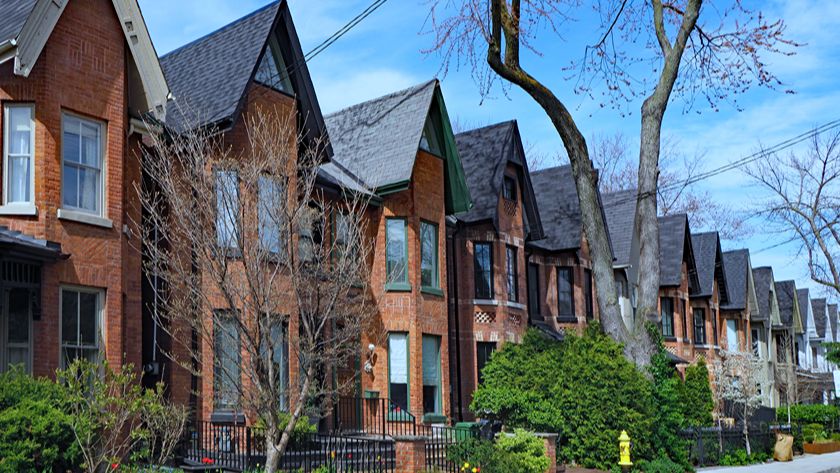
What Makes a Great Neighborhood?
A “great” neighbourhood is a mix of lifestyle fit and resale strength. In the GTA and Southern Ontario, small pockets can perform very differently—even within the same city—so it pays to evaluate neighbourhoods with both your daily life and long-term value in mind.
Read more
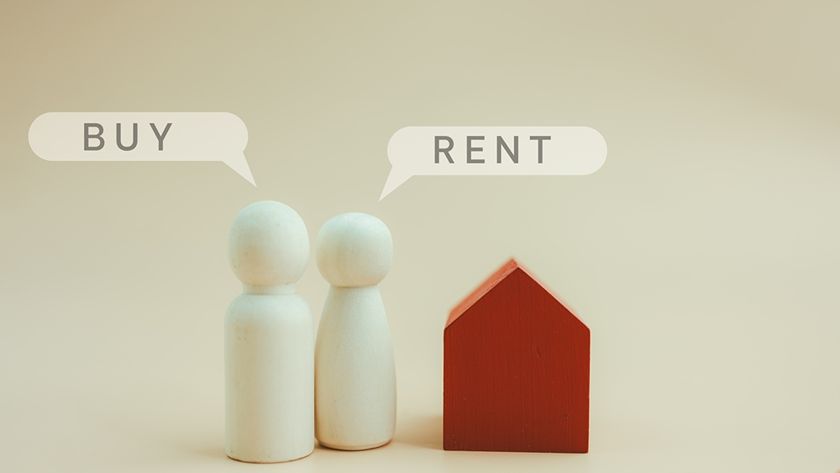
Should You Buy or Keep Renting?
The buy vs rent decision isn’t just emotional—it’s math, timeline, and lifestyle. In the GTA and Southern Ontario, higher rates and a softer market make it even more important to compare the true monthly costs and your 3–5 year plan.
Read more

Ready to make your
next move?
I've spent the years helping families across Southern Ontario buy and sell with confidence. Whether you're ready to list, quietly curious what your home is worth, or just starting to think about the next chapter — I'll give you straight numbers and honest advice, with no pressure to do anything about it.