Interest Rates & Your Buying Power


How Interest Rates Affect Your Buying Power

Next Steps

Alex Stakic
Real Estate Broker


Daniel Stakic
Salesperson
Interest rates don’t just change your monthly payment—they change the price range you can qualify for, how competitive your offer can be, and what kind of home you can realistically target in the GTA and Southern Ontario. Here’s how to think about it in today’s buyer-leaning market.
Your buying power is largely driven by the monthly payment your income can support. When rates rise, a bigger share of your payment goes to interest instead of principal, which means the same monthly budget qualifies for a smaller mortgage. In practical terms, higher rates compress your price range and often push buyers to adjust expectations on location, property type, or finishing.
Most buyers focus on “What’s the mortgage payment?”—but lenders look at a broader picture: stress-test qualifying rate, debt-to-income ratios, and your overall credit profile. That’s why two buyers with the same income can get very different approvals. In the GTA market, getting a clean pre-approval and understanding your real ceiling before you shop prevents heartbreak and helps you move quickly when the right home appears.

The good news is that in a buyer’s market, you often have more negotiating room: longer condition periods, inspection clauses, and price discussions are more common than during peak competition. That flexibility can partially offset higher borrowing costs—especially if you can negotiate a better purchase price or secure seller-friendly terms that reduce your risk.
The smartest move is to run scenarios: what you qualify for today, what the payment looks like at different rates, and what a small rate change does to your monthly cash flow. If you want, I’ll help you map your buying power and translate it into a clear search plan (neighbourhoods, home types, and a realistic offer strategy).

Related articles
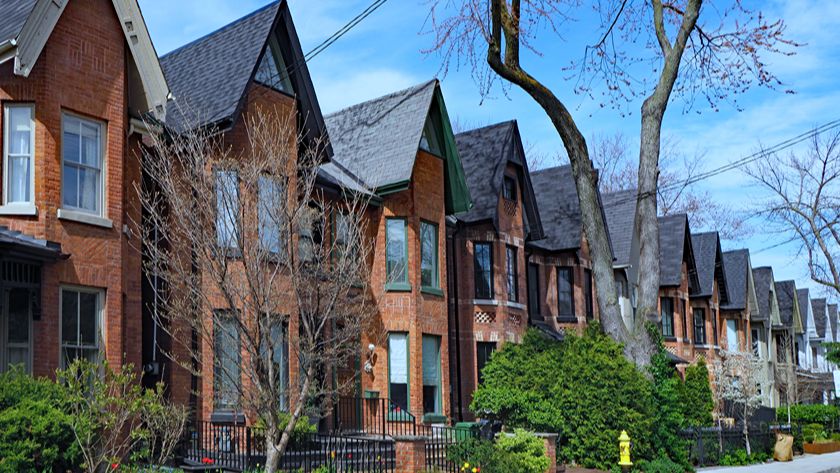
What Makes a Great Neighborhood?
A “great” neighbourhood is a mix of lifestyle fit and resale strength. In the GTA and Southern Ontario, small pockets can perform very differently—even within the same city—so it pays to evaluate neighbourhoods with both your daily life and long-term value in mind.
Read more

Buying a Home with a Small Down Payment
A smaller down payment doesn’t automatically mean “you can’t buy”—but it does mean you need a smarter plan. In the GTA and Southern Ontario, success with a smaller down payment comes down to budgeting, lender strategy, and choosing the right home in the right price band.
Read more
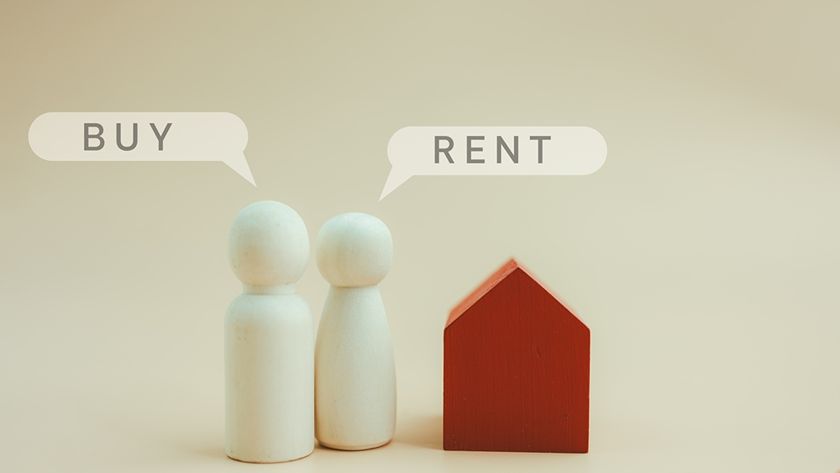
Should You Buy or Keep Renting?
The buy vs rent decision isn’t just emotional—it’s math, timeline, and lifestyle. In the GTA and Southern Ontario, higher rates and a softer market make it even more important to compare the true monthly costs and your 3–5 year plan.
Read more


Ready to make your
next move?
I've spent the years helping families across Southern Ontario buy and sell with confidence. Whether you're ready to list, quietly curious what your home is worth, or just starting to think about the next chapter — I'll give you straight numbers and honest advice, with no pressure to do anything about it.